

The Alternative Learning System or ALS is a parallel learning system in the Philippines that provides a practical option to the existing formal instruction. When one does not have or cannot access formal education in schools, ALS is an alternate or substitute. ALS includes both the non-formal and informal sources of knowledge and skills.
There are two major programs on ALS that are being implemented by the Department of Education, through the Bureau of Alternative Learning System (BALS). One is the Basic Literacy Program and the other is the Continuing Education Program – Accreditation and Equivalency (A&E). Both programs are modular and flexible. This means that learning can take place anytime and any place, depending on the convenience and availability of the learners.
Curriculum Guide
Learning Modules
Elementary Modules
Elementary Lower
LEARNING STRAND 2
English
LEARNING STRAND 4
English
Elementary Advanced
LEARNING STRAND 1
LEARNING STRAND 2
English
- Addition and Subtraction in Daily Life
- Addition and Subtraction in Decimals
- Addition and Subtraction of Fractions
- Animals Love Them and Care for Them
- Eat Right and Be Healthy
- Electricity and Its Uses
- Geometrical Shapes
- Herbal Medicine
- It's About Time
- Keep Those Germs Away
- Learning About Fractions
- Let's Clean Up the Environment
- Living With Simple Machines
- Measuring Length
- Measuring Volume
- Measuring Weight 1
- Multiplication and Division in Daily Life
- Multiplication and Division of Decimals
- Our Sense Organ
- Percent and Percentages
- Planning Your Own Business Part 1
- Planning Your Own Business Part 2
- Preparing for Calamities
- Preparing for Typhoons
- Preventing Worms
- Ratio and Proportion
- Saving Our Soil Resources
- Solving Day to Day Problems
- Taking Care of Our Aquatic Resources
- Temperature and Air Pressure
- Think Green
- Time
- Typhoons in the Philippines
- We Can Fight Diseases
- What is Happening to Our Environment
- What is Your Nutritional Status
Filipino
- Pagdaragdag at Pagbabawas ng mga Decimals
- Pagdaragdag at Pagbabawas ng Praksyon
- Mahalin at Arugain ang mga Hayop
- Wastong Pagkain at Maging Malusog
- Ang Elektrisidad at ang mga Gamit Nito
- Mga Heometrikong Hugis
- Mga Halamang Gamot
- Ito'y Tungkol sa Oras
- Pagkilala sa mga Praksyon
- Ating Linisin ang Kapaligiran
- Mga Simpleng Makina
- Pagsukat ng Haba
- Alam Mo Ba Ang Iyong Pandama
- Mga Porsiyento at Peresentahe
- Paghahanda sa Kalamidad
- Paghahanda Para sa Bagyo
- Iwasan ang Bulati
- Panumbasan at Proporsiyon
- Pagpaplano ng Iyong Negosyo (Unang Bahagi)
- Pagliligtas sa Ating mga Yamang Lupa
- Paglutas ng Pang araw araw na Suliranin
- Ang Pangangalaga ng Ating mga Yamang Dagat
- Temperatura at Presyon ng Hangin
- Mga Luntiang Halaman
- Oras
- Mga Bagyo sa Pilipinas
- Malalabanan Natin Ang Mga Karamdaman
- Ano ang Nangyayari sa Ating Kapaligiran
- Ang Kalagayan ng Iyong Nutrisyon
LEARNING STRAND 3
English
Filipino
LEARNING STRAND 4
Secondary Modules
LEARNING STRAND 1
English
- A Language of Our Own
- Are You a Critical Reader
- Are You Listening
- Describing Ideas and Feeling
- Effective Communication
- Effective Writing
- Figure It Out
- Filling up Forms Accurately
- Giving and Receiving Constructive Feedbacks
- How to Become an Intelligent Listener
- Information Analysis
- Know Your News
- Learning Good Values from Literature
- Let's Talk
- Listening with Appreciation
- Outlining 1
- Preparing a Simple Project Proposal
- Summarizing
- The Interview
- Word Power 1
- Word Power 2
Filipino
- Ang Sarili Nating Wika
- Mapanuring Mambabasa Ka ba
- Nakikinig Ka Ba
- Paglalarawan ng Idea at Damdamin
- Epektibong Komunikasyon
- Mabisang Pagsusulat
- Pagbigay at Pagtanggap ng Positibong Feedback
- Paano Maging Isang Matalinong Tagapakinig
- Pagsusuri ng Impormasyon
- Pag alam sa Balita
- Pagkatuto ng Mabuting Halagahan Mula sa Panitikan
- Mag-usap Tayo
- Pakikinig Nang May Pagpapahalaga
- Pagbabalangkas I
- Paghahanda ng Isang Simpleng Panukalang Proyekto
- Pagbubuod
- Ang Panayam
- Panitikang Pilipino
LEARNING STRAND 2
English
- Advances in Communication Technology
- Animals Found at Home and in the Community
- Appreciating Statistics
- Aquatic and Man made Ecosystem
- Area
- Balance in Nature
- Business Math 1
- Business Math 2
- Classification of Plants
- Composting
- Developing Scientific Thinking Skills
- Earthquake
- Effects of Volcanoes
- Environmental Causes of Diseases
- Estimation
- Fire Safety in the Home
- Food Preservation
- Get the Most from Your Medicine
- Healthy Living
- Healthy Pregnancy Part 1
- Healthy Pregnancy Part 2
- Hydroponics
- Interpreting Electric Bills and Meters
- Lines and Angles
- Machines Your Partner in Doing Work
- Maps and Scales
- Mass and Weight
- Mean Median Mode and Range
- Measurement Perimeter and Circumference
- Measuring Weight 2
- Measuring Weight
- Myths and Scientific Explanations Behind Natural Phenomena
- Perecentage Ratio and Proportion
- Pesticides
- Positive and Negative Intetergers
- Proper Use of Electricity
- Recycling
- Reproductive Health
- Science Technology and Society
- Statistics In Action
- Technology Its Benefits and Negative Effects
- The Calendar
- The Cost of Environmental Degradation
- The Ecosystem in Retrospect
- The Ecosystem
- The Integumentary System
- The Lymphatic System
- The Muscular System Part 1
- The Muscular System Part 2
- The Nervous System
- The Organ System of the Human Body
- The Reproductive System
- The Respiratory System
- The Skeletal System
- The Urinary System
- Understanding How Your Sense Organs
- Understanding Our Circulatory System
- Using Scientific Method in Agriculture
- Volume
- Wanted Clean and Fresh Air
- Water and its Cost
- Water Pollution
- What You Need to Know about AIDS
Filipino
- Agham Teknolohiya at Komunidad
- Mga Hayop sa Bahay at Komunidad
- Pag-unawa sa Estadistika
- Lawak
- Balanse sa Kalikasan
- Matematikang Pangkalakal (Unang Bahagi)
- Pag-uuri ng mga Halaman
- Pagkokompost Solusyon Sa Basura
- Ang Lindol
- Mga Epekto ng Bulkan
- Mga Pangkapaligirang Sanhi ng Sakit
- Pagtantiya
- Pagiingat sa Sunog sa Tahanan
- Pagiimbak ng Pagkain
- Malusog na Pamumuhay
- Hydroponics
- Mga Linya at Anggulo
- Mga Mapa at Iskala
- Mass at Timbang
- Mean Median Mode At Range
- Pagsukat ng Timbang (ikalawang bahagi)
- Pestisidio
- Mga Positive at Negative Integers
- Ang Wastong Paggamit ng Kuryente
- Pagrerecycle
- Ang Kalendaryo
- Ang Ecosystem
- Ang Integumentary System
- Ang Lymphatic System
- Ang Muscular System (Unang Bahagi)
- Ang Nervous System
- Ang Organ System ng Katawan ng Tao
- Ang Reproductive System
- Ang Respiratory System
- Ang Skeletal System
- Ang Urinary System
- Ang Circulatory System
- Ang Volume
- Wanted Malinis at Sariwang Hangin
- Ang Tubig at Halaga Nito
- Polusyon sa Tubig
LEARNING STRAND 3
English
- How to Form a Cooperative
- How to Grow Your Own Vegetable Garden
- Ideas for Income Generating Projects
- Is Your Workplace Safe
- Marks of a Successful Entrepreneur
- Preparing for Technical Education and Technical Skills
- Products and Services
- Putting Up Your Own Business
- Technology for a Better Life
- The Filipino Worker World Class Pride of the Country
- What is a Cooperative
Filipino
- Paano Magtatag ng Kooperatiba
- Paano Magkaroon ng Sarili Mong Gulayan
- Mga Ideya Tungkol sa mga Proyektong Mapagkikitaan
- Ligtas Ba ang Iyong Lugar ng Paggawa
- Mga Katangian ng Matagumpay na Negosyante
- Paghahanda para sa edukasyon Teknikal at Bokasyonal
- Produkto at Serbisyo
- Pagtatag ng Sarili Mong Negosyo
- Teknolohiya Para sa Mas Maunlad na Buhay
- Manggagawang Pinoy Maipagmamalaki sa Mundo
- Ano ang Kooperatiba
LEARNING STRAND 4
English
- Addictive and Dangerous Drug Part 1
- Addictive and Dangerous Drug Part 2
- Are You Looking for a Job
- Are You Ready to Get Married
- Building Relationship with Others
- Buying Wisely
- Changing Roles
- Childrens Right
- Civil and Political Rights
- Community Survey
- Dealing with Anger Fear & Frustration
- Dealing with Stress
- Empathy At Home and At Work
- Fighting for Women's Rights
- Fighting Overpopulation
- I'm Proud to be a Filipino
- Ironing It Out
- Know Your Rights
- Let's Help One Another
- Make a Stand and Fight for It
- Participate in Community Development
- Participate in Elections
- Peace Is In Your Hands
- Pinoy Overseas The New Heroes
- Protest Action
- The 1986 EDSA Revolution
- The Beautiful World of Our Native Brothers
- The Mark of a True Filipino
- The Mindanao Peace Accord
- Workers for Peace
- Workers Rights
- Workers Wages and Benefits
Filipino
- Nakalululong na Droga (Unang Bahagi)
- Nakalululong na Droga (Ikalawang Bahagi)
- Naghahanap ka ba ng Trabaho
- Handa Ka na Bang Mag-asawa
- Pagkakaroon ng Magandang Relasyon sa Iba
- Mahusay na Pamimili
- Karapatang Pambata
- Mga Karapatang Sibil at Pulitikal
- Pakikitungo sa Takot Galit at Pagkabigo
- Pagharap sa Stress
- Empatiya sa Tahanan at Trabaho
- Pakikipaglaban Para sa Karapatan ng mga Kababaihan
- Paglaban sa Paglaki ng Populasyon
- Ipinagmamalaki Ko Ako ay Pilipino
- Ayusin Natin
- Alamin Mo ang Iyong Mga Karapatan
- Magbalikatan Tayo
- Pakikilahok sa Pagpapaunlad ng Kumunidad
- Makibahagi sa Eleksyon
- Nasa Kamay Mo ang Kapayapaan
- OFWs Mga Pinoy sa Ibayong Dagat
- Mga Kilos Protesta
- Ang Rebolusyon sa EDSA 1986
- Ang Magandang Daigdig ng ating mga Katutubong Kapatid
- Tatak ng Ating Pagka-Pilipino
- Ang Kasunduang Pangkapayapaan ng Mindanao
- Mga Tagapaghatid ng Kapayapaan
- Mga Karapatan ng mga Manggagawa
- Pasahod at Benepisyo ng mga Mangagawa
LEARNING STRAND 5
English
Filipino
- Paano Lutasin ang mga Alitan
- Tulong International
- Ang Utang Panlabas ng Pilipinas
- Mga Tagapamayapang Pandaigdig
- Mga Pangunahing Katangiang Heograpikal ng Mundo
- Ang Aking Pamilya sa Nagbabagong Panahon
- Mga Pangunahing Relihiyon Sa Buong Mundo
- Mag isip Nang Pandaigdig Kumilos Nang Pambansa
- Saan sa Mundo
- Mga Pilipinong Nagbigay ng Mahahalagang Kontribusyon
Facilitators Guide
LEARNING STRAND 1
- 1 - Listening Effectively
- 2 - Cause and Effect
- 3 - Summarizing Information
- 4 - Fact vs Opinion
- 5 - Identifying the Purpose of a Message
- 6 - Synthesizing Information
- 7 - Selecting the Appropriate Form of Communication
- 8 - Writing an Application Letter
- 9 - Writing the Minutes of a Meeting
- 10 - Writing a Business Letter
- 11 - Customer Service
- 12 - Communicating with Customers
- 13 - Informational Interview
- 14 - Describing Oneself
- 15 - Non-verbal cues
- 16 - Non-verbal Communication
- 17 - Leadership Types and Traits
- 18 - Job interview
LEARNING STRAND 2
LEARNING STRAND 4
- 22 - Time Management
- 23 - Giving and Receiving Feedback
- 24 - Hygiene and Sanitation
- 25 - Handwashing
- 26 - Work Hazards
- 27 - Emergency Response
- 28 - Minimizing Resource Use
- 29 - Saving Goals
- 30 - Where to Save
- 31 - Avoiding Debt
- 32 - Keeping Records
- 33 - Basic Budgeting
- 34 - Business Cycle
- 35 - Cash Flow
- 36 - Business Planning
- 37 - Preparing a Bio-data
- 38 - Responsibilities of Employers and Workers
- 39 - Saving for the Future
- 40 - Wise and safe handling of money
LEARNING STRAND 5
- 41 - Personal Values
- 42 - Personal Strengths and Limitations
- 43 - Setting Life Goals
- 44 - Working in a Group
- 45 - Being an Effective Team Member
- 46 - Identifying Local Government Officials
- 47 - Community Issues and Youth Involvement
- 48 - Community Needs Assessment
- 49 - Youth Participation in Community Activities
- 50 - Social issues and solutions
- 51 - Basic Human Rights 1
- 52 - Basic Human Rights 2
- 53 - Basic Human Rights 3
- 54 - Getting Others Involved
- 55 - Values, Beliefs, and Interests
- 56 - Good Qualities of a Leader
- 57 - Prioritizing Community Needs
- 58 - Examples of Civic Engagement
- 59 - Community Participation among Out-of-School Youth
- 60 - Community Service
Learners Worksheet
LEARNING STRAND 1
- 1 - Listening Effectively_LW
- 2 - Cause and Effect_LW
- 3 - Summarizing Information_LW
- 4 - Fact vs Opinion_LW
- 5 - Identifying the Purpose of a Message_LW
- 6 - Synthesizing Information_LW
- 7 - Selecting the Appropriate Form of Communication_LW
- 8 - Writing an Application Letter_LW
- 9 - Writing the Minutes of a Meeting_LW
- 10 - Writing a Business Letter_LW
- 11 - Customer Service_LW
- 12 - Communicating with Customers_LW
- 13 - Informational Interview_LW
- 14 - Describing Oneself_LW
- 15 - Non-verbal cues_LW
- 16 - Non-verbal Communication_LW
- 17 - Leadership Types and Traits_LW
- 18 - Job interview_LW
LEARNING STRAND 2
LEARNING STRAND 4
- 22 - Time Management_LW
- 23 - Giving and Receiving Feedback_LW
- 24 - Hygiene and Sanitation_LW
- 25 - Handwashing_LW
- 26 - Work Hazards_LW
- 27 - Emergency Response_LW
- 28 - Minimizing Resource Use_LW
- 29 - Saving Goals_LW
- 30 - Where to Save_LW
- 31 - Avoiding Debt_LW
- 32 - Keeping Records_LW
- 33 - Basic Budgeting_LW
- 34 - Business Cycle_LW
- 35 - Cash Flow_LW
- 36 - Business Planning_LW
- 37 - Preparing a Bio-data_LW
- 38 - Responsibilities of Employers and Workers_LW
- 39 - Saving for the Future_LW
- 40 - Wise and safe handling of money_LW
LEARNING STRAND 5
- 41 - Personal Values_LW
- 42 - Personal Strengths and Limitations_LW
- 43 - Setting Life Goals_LW
- 44 - Working in a Group_LW
- 45 - Being an Effective Team Member_LW
- 46 - Identifying Local Government Officials_LW
- 47 - Community Issues and Youth Involvement_LW
- 48 - Community Needs Assessment_LW
- 49 - Youth Participation in Community Activities_LW
- 50 - Social issues and solutions_LW
- 51 - Basic Human Rights 1_LW
- 52 - Basic Human Rights 2_LW
- 53 - Basic Human Rights 3_LW
- 54 - Getting Others Involved_LW
- 55 - Values, Beliefs, and Interests_LW
- 56 - Good Qualities of a Leader_LW
- 57 - Prioritizing Community Needs_LW
- 58 - Examples of Civic Engagement_LW
- 59 - Community Participation among Out-of-School Youth_LW
- 60 - Community Service_LW
Video Lectures
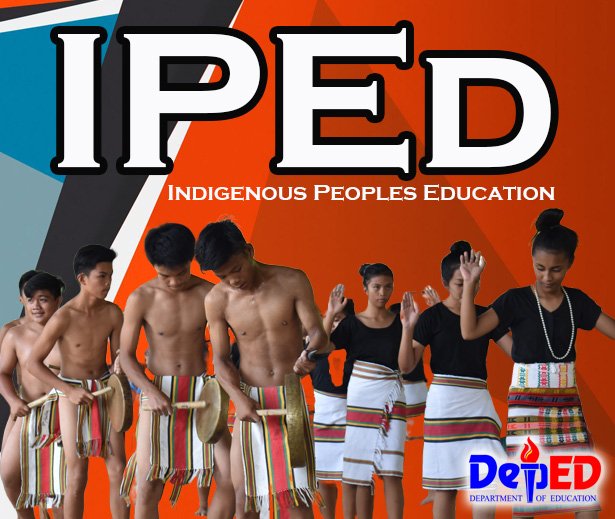
The Indigenous People’s Education (IPEd) Program is DepEd’s response to the right of Indigenous Peoples (IP) to basic education that is responsive to their context, respects their identities, and promotes their indigenous knowledge, skills, and other aspects of their cultural heritage. Additionally, the IPEd Program supports the realization of the K to 12 Basic Education Curriculum, which subscribes to standards and principles that are: inclusive, culture-sensitive, and flexible enough to enable and allow schools to localize, indigenize, and enhance based on the community’s educational and social context.
Storybooks
SNEd, or Special Needs Education, refers to programs and services provided by the Department of Education (DepEd) in the Philippines aimed at supporting students with special needs. This includes academic interventions, curriculum adaptations, learning resource support, and career guidance counseling programs to ensure inclusive education for all learners. The SNEd program is designed to enhance the educational experience of students with disabilities and other special needs, providing them with the necessary resources and support.
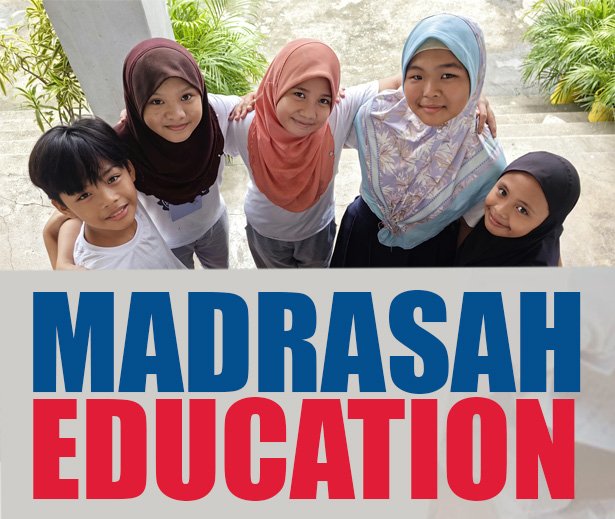
Madrasah Education Program (MEP) aims to provide Muslim learners with appropriate and relevant educational opportunities while recognizing their cultural context and unique purposes for participating in the Program offerings and integrate content and competencies which are relevant and of interest to Muslim learners.